Posts

Patience and Pregnancy

Image
In the beginning of a pregnancy, it's all so new and exciting. There are all of those 'firsts', hearing the baby's heartbeat, getting that much anticipated sonogram, even those early midwife/OB visits seem to bring on their own special brand of anticipatory excitement. Then that last trimester sneaks right up on us. With the frequent bathroom breaks, seemingly endless cups of water, and aches and pains that go along with growing a human being start to catch up and take a small toll. Many of us 'mothers to be' in that space have a universal feeling of the never ending pregnancy. So, how exactly does one cope with the anxious waiting game associated with the last few weeks, and sometimes, those extra days beyond the prescribed 'due date'? Having patience in pregnancy can be a tall order in the end...take it from me, I was beyond 42 weeks when my little one decided it was time. The first and best way to handle all that antsy pantsy-ness is pure distracti...
Delaying baby's first bath

After the birth, usually the baby is kind of messy. While bringing baby into the world is neither easy or clean work, a lot of the 'messy' stuff remaining on the baby is quite useful for the early moments in life and bonding. Typically once baby is delivered, and placed on mama's chest, a gentle wipe down or towel off is sufficient for a while. Delaying the bath can increase the start of breastfeeding. The vernix and amniotic fluid left on baby provides cues to the mother's brain to begin producing milk/colostrum. Additionally the immediate placement of baby onto moms chest can promote early breast feeding cues, again due to the powerful scents of birth and our olfactory recognition.  Aside from a beautiful beginning to breast feeding, bathing too soon may lower the infants temperature. Even when warm water is used, studies have show. The temperature can decrease up to 3 degrees. Infants are not fully able to regulate their own temperature until about 72 hours of life...

The 4th Trimester

During the childbearing year, so many of us prepare for the birth experience. We take childbirth preparation classes, such as Lamaze, Hypnobabies, or even Birthing from Within. While these are all gloriously wonderful techniques to use in preparation for and during childbirth, those first few 'baby moon' months are of great importance as well. The idea of the 'fourth trimester', or the first three months post birth, creates a soft landing space for your new baby to cope with the whole concept of being 'land side', and all the exciting experiences that come with it. The newborns' experiences in the womb are often recreated post birth in order to calm/soothe baby. Such techniques include swaddling, which recreates the tight, enclosed womb like feeling they had while in utero, and swinging/swaying, again baby was constantly swayed while in the womb. Shushing, or humming are also quite soothing to baby since they have been hearing mom's heartbeat, and ot...

Maternity gown alternatives

Image
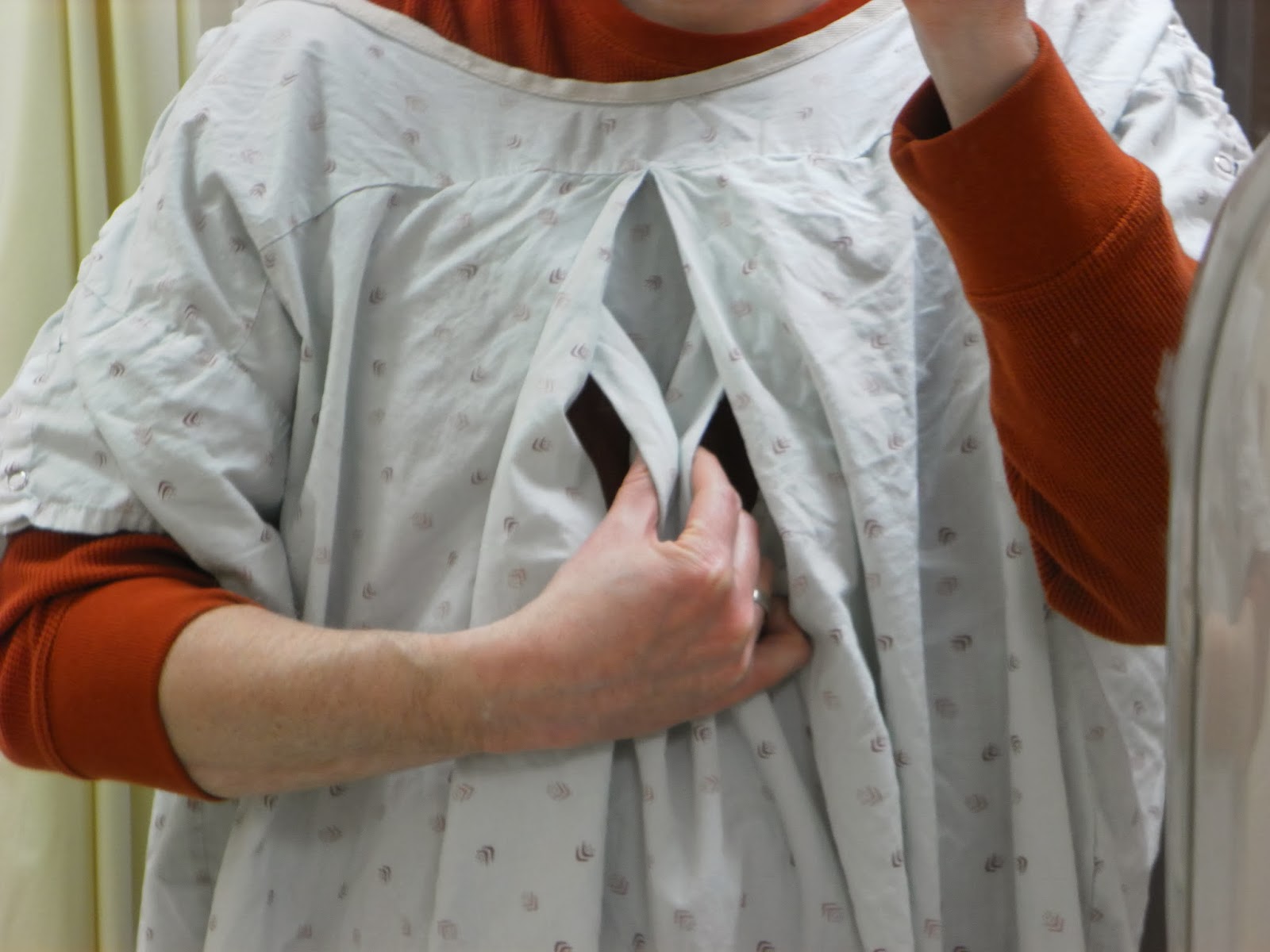
We all know the look and feel of the standard issue hospital gown. It usually has several ties around the waist or back, which I personally have yet to be able to apply to my own body alone. Sometimes they boast a very bland geometric type pattern. Most maternity hospital gowns also have snaps or openings to allow for easy and discreet breastfeeding. But what alternatives are there if you don't want to wear such a fashionable "gown" during your labor and delivery? Hospital Maternity gown There are so many options out there! From etsy to amazon, you can certainly find gorgeous maternity gowns to pack in your hospital bag. There are sleeveless, satin ribbon ties, long sleeved, and even gowns made using the ever comfortable jersey knit fabric. One just needs to search for maternity gowns and watch the results pour in. There are several quite adorable ones, and a few that look like actual dresses. Should you have the desire to sew your own, you can also find a plethora ...

Movement and Labor

Image
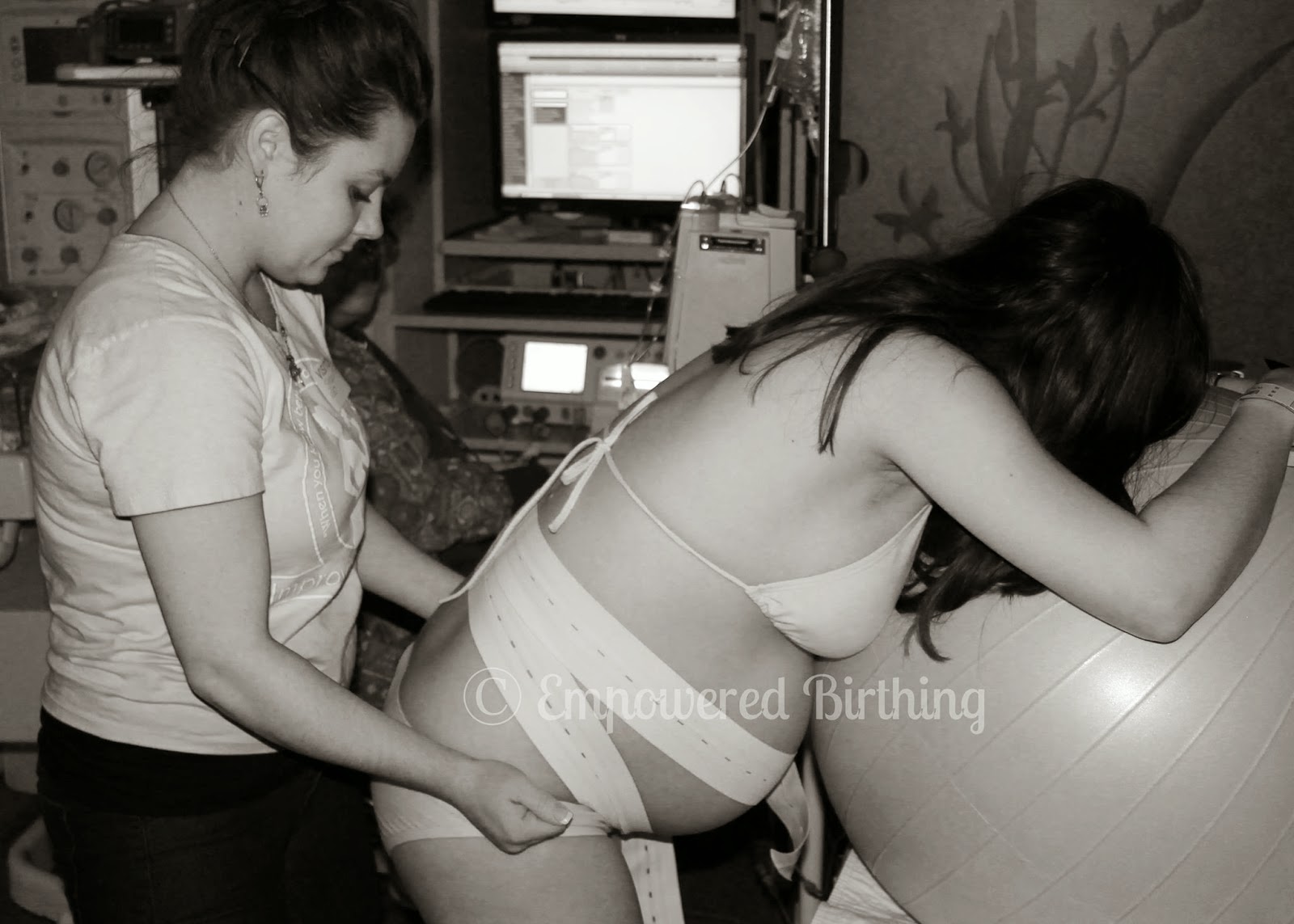
Being active in labor is important for both baby and mother. Walking, changing positions, and even just standing and swaying, can help the baby descend into the pelvis. It can also help to alleviate discomfort that mother could be experiencing as well. I think we can all agree that is a win/win situation. Research tells us that changing positions while laboring may result in less severe pain, a decrease in need for pain medications, contributes to shorter labors, and could play a part in a reduction of cesarean sections.  Being active may also contribute a sense of personal freedom for the mother, and being in control of the birthing process. Some hospital procedures may seem to prevent the woman from being able to move freely as an active participant during labor. Such as fetal monitoring, which is usually done for 20 minutes each hour, intravenous fluids being given for the duration of labor, and blood pressure cuff attachment. However, all of these procedures can be perform...

Dad's and Doulas

A lot of birthing women and their partners have the fear that hiring a doula will be redundant.  They may also feel that a doula will “take the place” of Dad and he will no longer have a leading role in support.  Dads can feel hurt that their partner doesn’t trust them and they may worry that a doula’s presence may interfere with the intimacy of the birth experience. Be assured that a doula will never replace the father’s role during birth.  Doulas compliment the birth partner and together they are able to provide an amazing support team for the mother.  Birth can often be an overwhelming event for many fathers – Since fathers were brought into labor and delivery in the 1960's and 1970's  often times they were the only support person available to the mother, they are to remember everything from childbirth preparation classes, physically and emotionally support the mother, and take care of themselves all while experiencing the birth of their child too...

A Doula is a "Coach"

Image
Labor support in modern maternity care has undergone many changes in the last few decades. Our current medical model provides little continual support to birthing mothers as many nurses are often spread out over several patients. This is not to say that they lack the caring nature that draws so many into the nursing and obstetrical field, just that they have been pulled in several directions. This is why I feel pregnant mothers across the nation are increasingly receptive to hiring a doula to attend them at their birth. This idea is a difficult one to understand as a husband, sister or for grandmothers to be. Doula's do not replace them, they only offer additional support. The word Doula is greek term for 'woman's servant'. When I am asked what a doula is, I commonly state that they are like a childbirth educator who goes to the actual birth with you. A person who has vast knowledge of the process of not only childbirth, but oftentimes, common hospital procedures and...